
Indigenous resurgence is underway across Latin America / Abya Yala. The role of critical geography is to contribute to ‘land back’ processes, or the recovery of physical, symbolic and institutional spaces. This applies both to the development of methodological approaches and to the conceptualisation of urban spaces.
On this page, you will find information and publications on these topics.
RC21 2026
Long-Term Memories vs settler colonialism
In the Ecuadorian Amazon and the Yucatán Peninsula, underlying the historical processes of capitalist infrastructure development and colonial urbanisation lie the historical projects of indigenous nations.
Critical theories have tended to view processes of urban transformation solely through the lens of dispossession, whilst there is also a distinct history of peoples shaping their own urban structures and contesting the cities of today.
A comparison between different spaces reveals common patterns of plurinational urban reconstitution at different points in the recent history of capitalism.
In this regard, a re-examination of geography and urban studies from an anti-racist perspective is necessary, given the heavy burdens that territorial disciplines have borne. In Ecuador, we observed the institutional commemoration of Humboldt as an exercise in academic whitening. Furthermore, it has been crucial to link urban archaeology with contemporary disputes, to demonstrate how the presence of indigenous peoples in cities has been sustained. This includes the way in which plurinationality is reinvented in urban spaces across different organisational contexts, as well as the long-term memories of marches for indigenous territorial rights. Indigenous uprisings have been marked by severe repression and the ‘whitening’ of cities as spaces of capitalist order; consequently, the analysis of state violence has been essential. Finally, the presence of indigenous spaces in peri-urban areas demonstrates a renegotiation of the city.
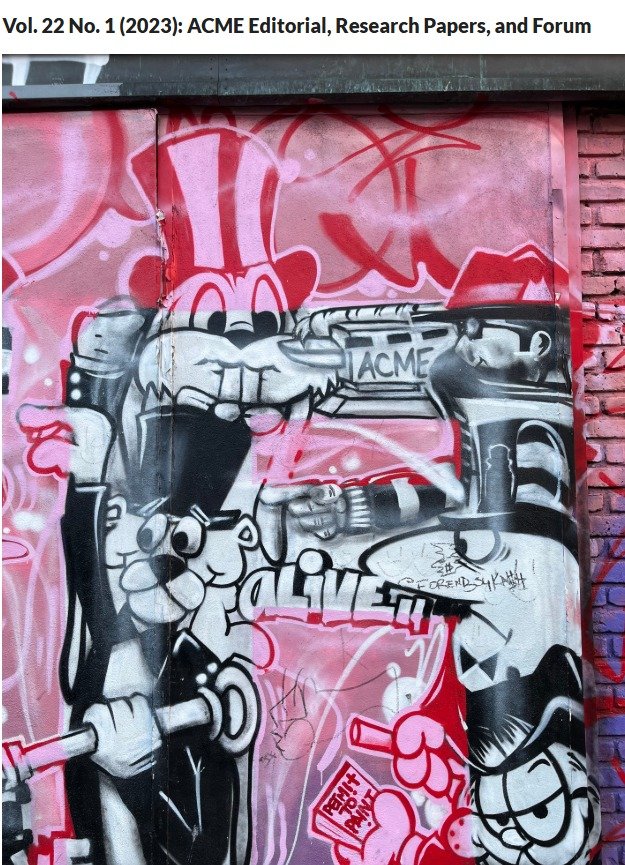
Celebrating the 250th Anniversary of the Birth of the Great Geographer Alexander von Humboldt: Critiques from the Perspective of Decolonial and Anti-Racist Geography.
Indigenous disputes over urbanisation in the Ecuadorian Amazon in Puyo.
Extended urbanisation and the formation of urban-indigenous subjects in the Ecuadorian Amazon.
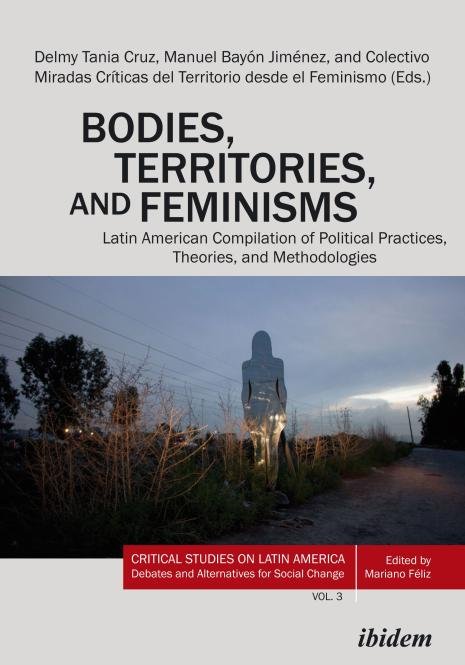
Kawsak sacha: women’s organisation and the political translation of the Amazon rainforest in Ecuador.
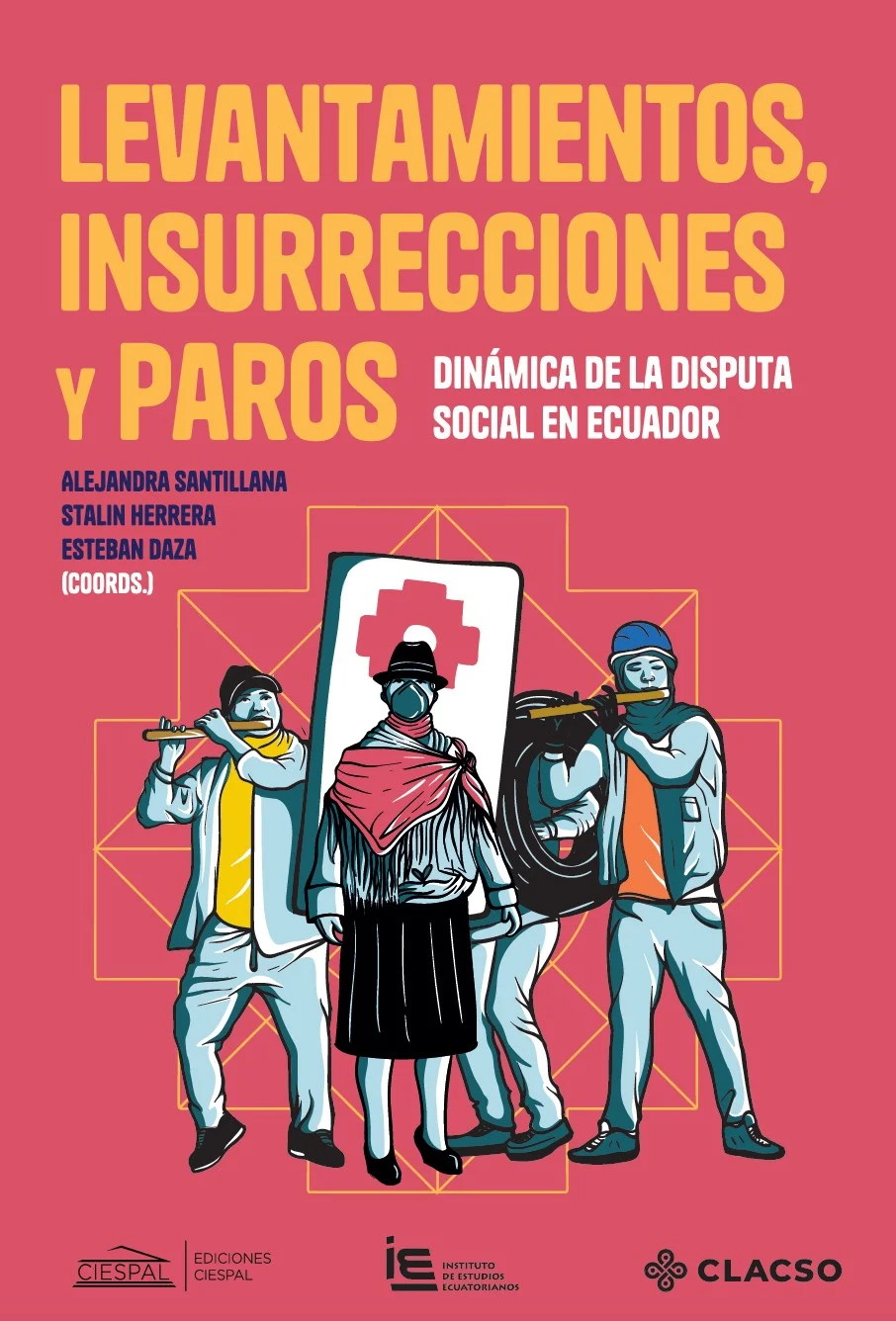
Strategies of territorial violence by the Ecuadorian state during the strike: mapping repression and lessons learnt.
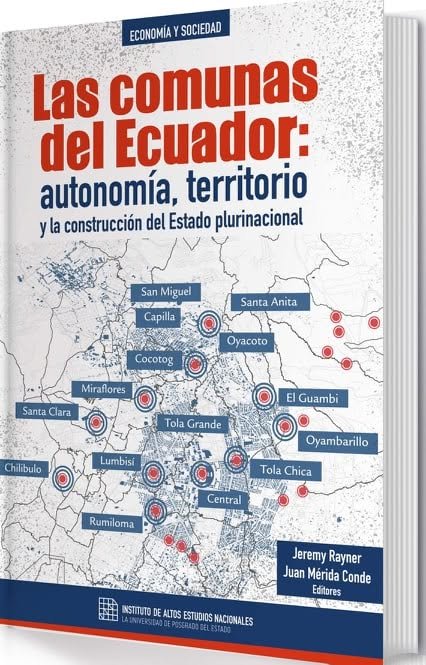
The Municipality of Quito against the communes’ right to ‘non-city’, in the context of the construction of the new International Airport.
INTERNATIONAL CONSULTANCIES
Defence of Territories
In the field of protecting collective territorial rights, as enshrined in Convention 169 of the International Labour Organisation, I have been able to take part in various consultancy projects aimed at developing strategies for territorial defence.
In this regard, it has been immensely useful to pool lessons learnt and strategies developed across different regions of Abya Yala, where significant progress has been made in the protection of collective community territories. As a result, I have been able to work as part of international multidisciplinary teams developing tools for territorial analysis and working to protect human rights defenders in Ecuador, Colombia, Peru, Bolivia, Paraguay and Mexico. Some examples are listed on the side.
Connectivity of isolated peoples in Paraguay
The presence of numerous agro-industrial livestock groups threatens the limited territoriality of the isolated Ayoreo peoples in the Paraguayan Chaco. The development of quantitative-spatial methodologies to identify the areas of greatest vulnerability has been a collective effort in which I have been able to participate.
Protection in Colombia and Mesoamerica
In recent years, those defending territorial rights have become targets of armed groups, transnational mafias and capitalist states. As a consultant, I have been able to evaluate community protection programmes in Colombia and Mesoamerica, with the aim of maximising positive outcomes and identifying areas for improvement.
The Wankavilka territory in the face of COVID-19
The onset of the pandemic hit communities on the Ecuadorian coast particularly hard. In response, the Wankavilka Special Operations Committee was formed, becoming a model of coordination, solidarity and community care. For my part, I was able to help implement a system of georeferenced surveys to enable real-time action based on data collected and analysed by the Wankavilka people.
Territorial Communes in Bolivia
In the northern Bolivian Amazon, mining is a slow but continuous process that threatens the Tacana II community territory. However, the area has a strong indigenous forestry economy of its own, which is why the development of their own mapping mechanisms proved essential to strengthening the strategies for autonomy and self-governance of its peoples.
Manuel Bayón Jiménez
The purpose of this website is to share publications and information on critical-radical geography, Amazonian urbanisation, political ecology, Indigenous resurgence, and activist mapping, as well as to visually present my Curriculum Vitae.